

Traditions, Travel and What Visitors Should Know
Semana Santa is one of the most important cultural observances in Costa Rica. Rooted in Catholic tradition, it is also a week deeply connected to family, reflection and travel within the country.
If you are visiting Costa Rica during this period, understanding how the week is traditionally observed will help you experience the country with greater awareness and respect.
Unlike other holidays focused on celebration or commerce, Semana Santa combines solemn religious traditions with family time and internal travel — creating a unique atmosphere across the country.
Religious and Community Traditions
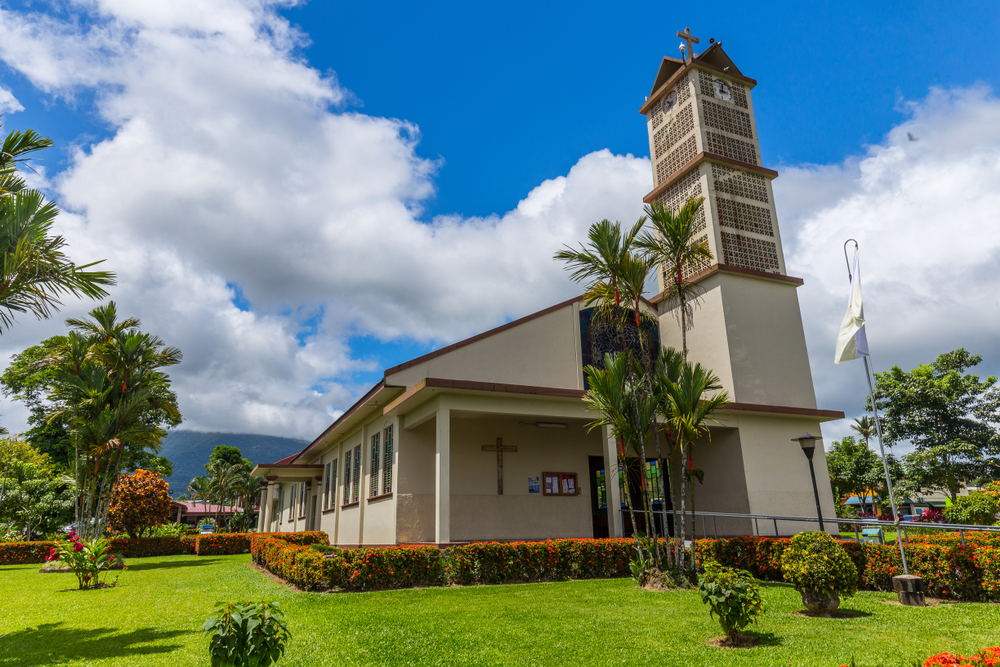
In many towns and rural communities, Semana Santa is marked by religious processions, particularly on Holy Thursday and Good Friday. These processions often include symbolic reenactments and moments of silence.
Good Friday is traditionally a solemn day. In smaller towns, businesses may close, music may be reduced, and community life slows down. Even in larger cities, you can feel a shift in pace.
While Costa Rica today is diverse and modern, these traditions remain meaningful in many communities and are part of the country’s cultural identity.
Traditional Foods During Semana Santa
Food plays an important role during Holy Week.
Traditionally, many Costa Rican families avoid red meat on certain days, especially Good Friday. Instead, typical dishes include:
Fish and seafood
Arroz con leche
Empanadas de chiverre (made from a local squash)
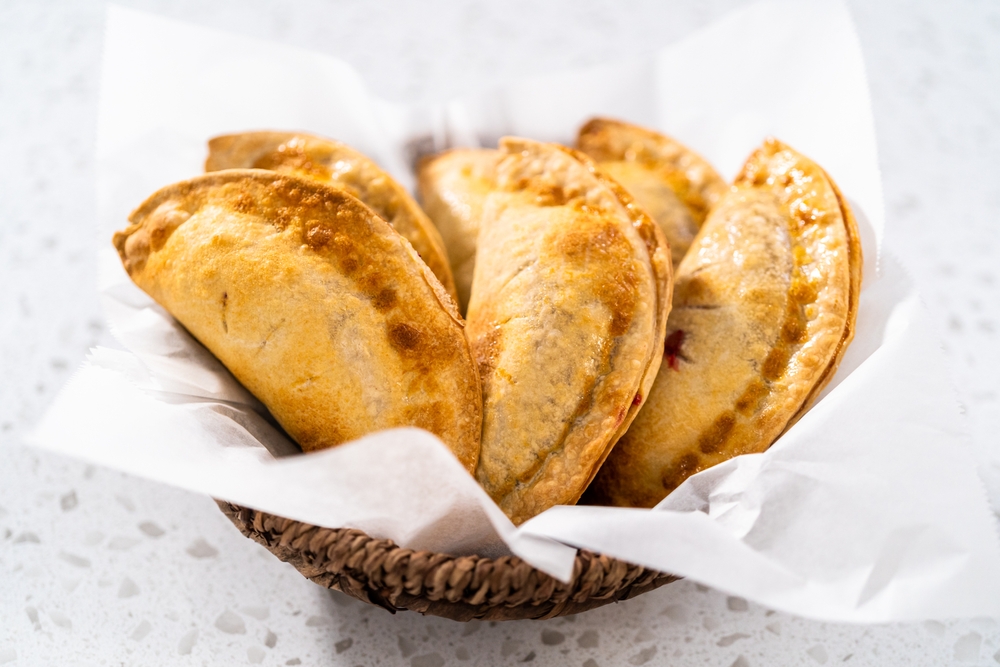

- Miel de Chiverre
Mieles (fruit preserves in syrup)
Rosquillas and homemade breads
These dishes are not only religiously symbolic, but also part of generational family traditions passed down over time.
Travel During Holy Week in Costa Rica
Semana Santa is also one of the most significant domestic travel periods of the year.
Many local families take vacation time starting the Friday before Holy Week and extend their break until the Monday after Easter Sunday. During this period, beaches, rural destinations and nature-based attractions often experience increased visitation.
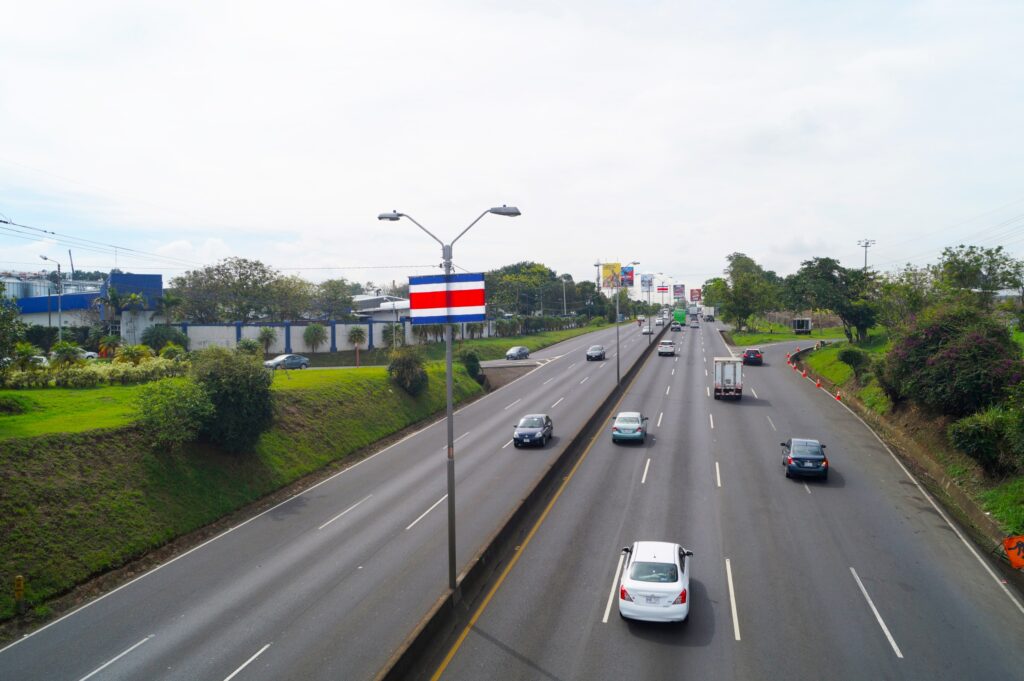
Road traffic can be heavier than usual, especially on routes leading to coastal areas. Planning ahead is recommended if you intend to travel within the country.
This combination of religious observance and family vacation makes Semana Santa a unique time to experience Costa Rica.
What Visitors Should Know Before Traveling
If you are visiting Costa Rica during Semana Santa, keep in mind:
Public offices and banks typically close on Holy Thursday and Good Friday, and open again until next monday.
Some local businesses may also close, particularly in smaller towns.
Supermarkets and essential services usually remain open, though hours may vary.
Traffic can increase significantly toward popular beach destinations.
It is not a week when the country shuts down completely, but it is a period that blends tradition with vacation culture.
Being aware of this context allows visitors to plan appropriately and travel respectfully.
Experiencing Nature During Semana Santa
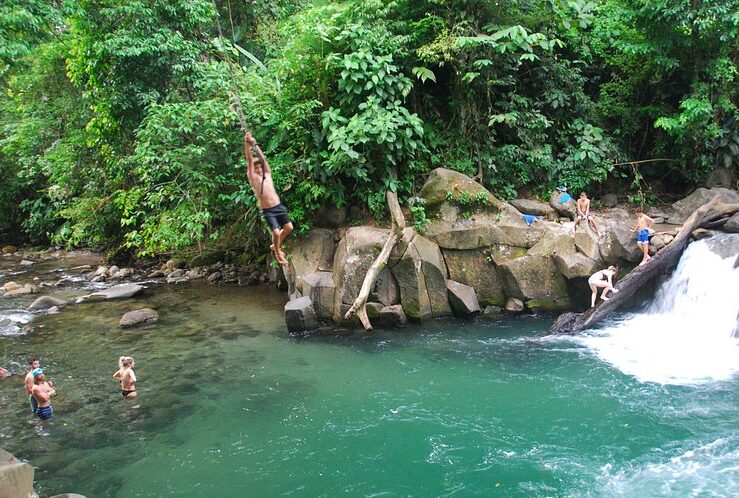
While certain institutions close during Holy Week, many nature-based experiences continue operating.
For many Costa Ricans, spending time outdoors — at the beach, in the countryside or exploring natural landscapes — is part of how the week is experienced as a family.

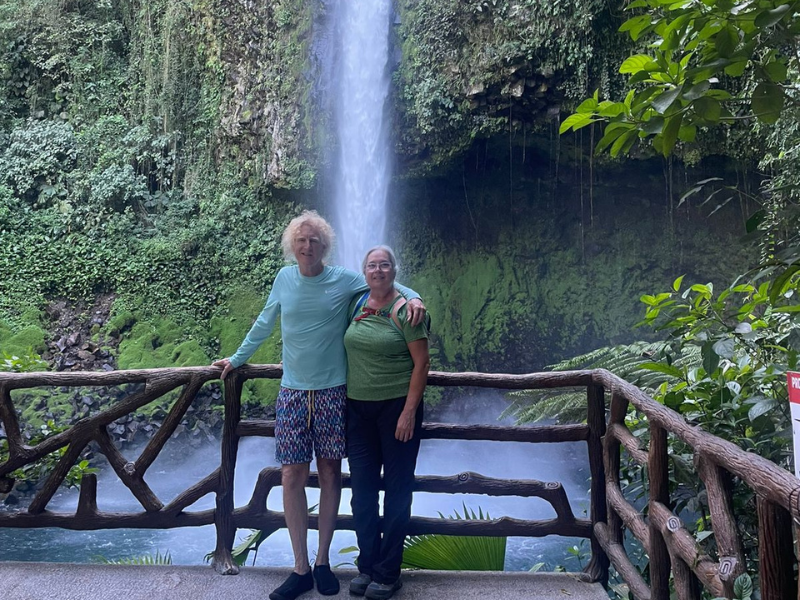
Guided tours, when responsibly operated, remain available and offer a peaceful way to connect with Costa Rica’s landscapes during this meaningful time of year.
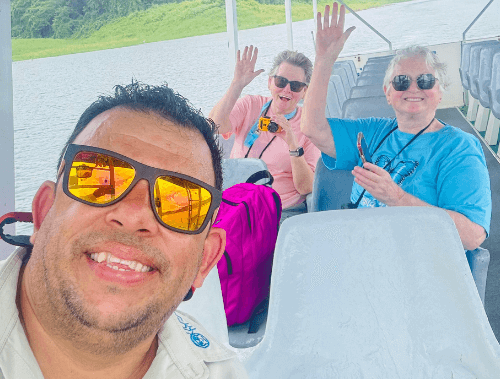
At Blue Pass, tours are carefully scheduled according to national holidays and real-time local conditions, allowing visitors to experience nature respectfully during Semana Santa.
Frequently Asked Questions – Semana Santa in Costa Rica
Q: Is everything closed during Semana Santa in Costa Rica?
A: No. While banks and public institutions typically close from Holy Thursday until Easter Sunday, many restaurants, hotels and tour operators continue operating.
Q: Is Semana Santa a good time to travel to Costa Rica?
A: Yes, but it is considered a high domestic travel period. Planning accommodations and activities in advance is recommended.
Q: Are tours available during Holy Week?
A: Many nature-based tours remain available, although availability may be more limited due to increased demand.
Q: What should I expect on Good Friday?
A: Good Friday is traditionally a solemn day. In many towns, religious processions take place and some businesses may close out of respect.
Q: Is Semana Santa mostly religious or vacation-focused?
A: It is both. For many families, it is a time of reflection and tradition, but it is also one of the most common vacation weeks within the country.
About Blue Pass

This article was created by the Blue Pass team, a family-owned Costa Rican tour operator with over 30 years of experience designing and operating land and water-based tours in the Arenal region.
Blue Pass specializes in well-planned, safety-focused experiences that prioritize local knowledge, real conditions and meaningful connections with nature.